New World Screwworm
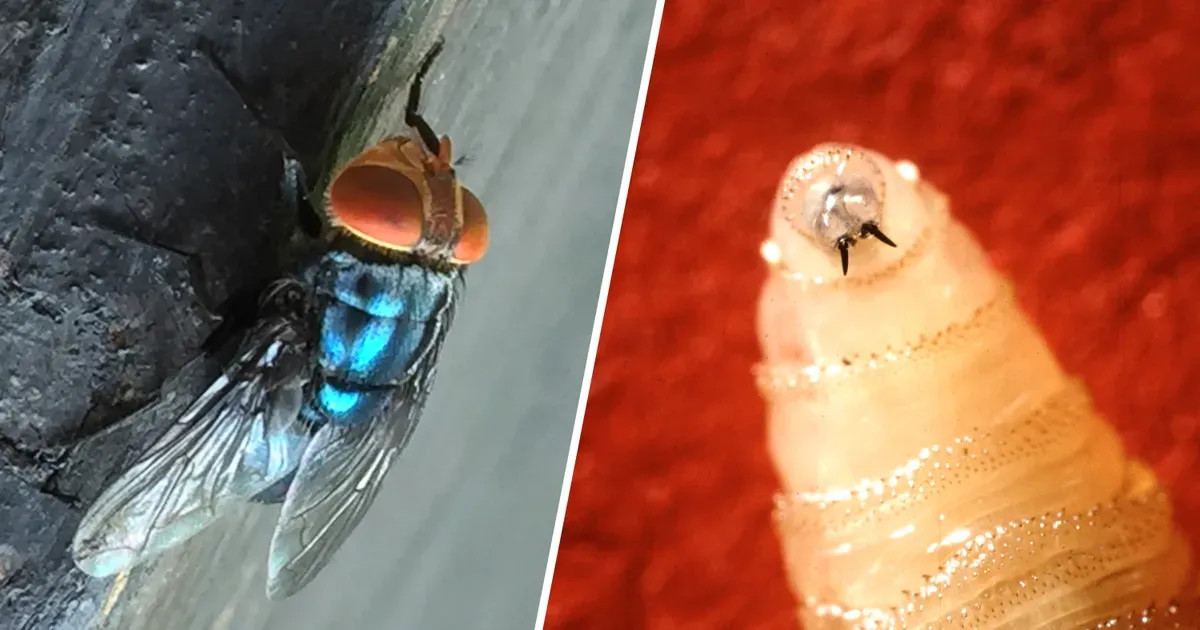
The New World Screwworm (Cochliomyia hominivorax) is a parasitic fly species known for infesting warm-blooded animals by laying eggs in open wounds. Its larvae feed on living tissue, causing severe damage to livestock and wildlife. This pest poses significant challenges to animal health and agricultural productivity in affected regions. Infestations are primarily an animal health concern, not a food safety issue.
ACGA is your go‑to resource for all things NWS. If you have any questions or concerns, please don’t hesitate to reach out.
For assistance, your best point of contact is Suzanne Menges, Executive Director. She can be reached by email at Executive@AZCattleGrowers.org or by phone at 928‑458‑1470. Below are links for more information!
- UofA Livestock Inspection Guide
- FDA Treatment
- EPA's list of approved pesticides
- NCBA New World Screwworm Resource page
- Forest Service Fact Sheet
- USDA Map of Confirmed Cases
- Modified Executive Director Order Declaring Animal Movement Restrictions Due to New World Screwworm in Uvalde and Zavala Counties
- Executive Director Order Declaring Animal Movement Restrictions Due to New World Screwworm in La Salle and Webb Counties
- What to Know about New World Screwworm - AZ Cooperative Extension
- NWS Transmission Information – AZ Cooperative Extension 2025
- Arizona Livestock Incident Response Team (ALIRT)
- AZ Department of Agriculture – New World Screwworm
- Screwworm.gov - USDA
- New World Screwworm Emergency Response – USDA
- NWS Response Playbook - USDA
- New World Screwworm Domestic Readiness and Response Policy Initiative – USDA